
Halal Food Blog: The Dirty Truth About What's Really in Your Plate
Arizona's most honest halal food blog. We break down food dyes, fake white sauce, and the industry profiting off student trust. Shawarma Paradise, Tempe. Serving ASU and Tempe since 2018.
Siddharth Raval
4/1/20263 min read
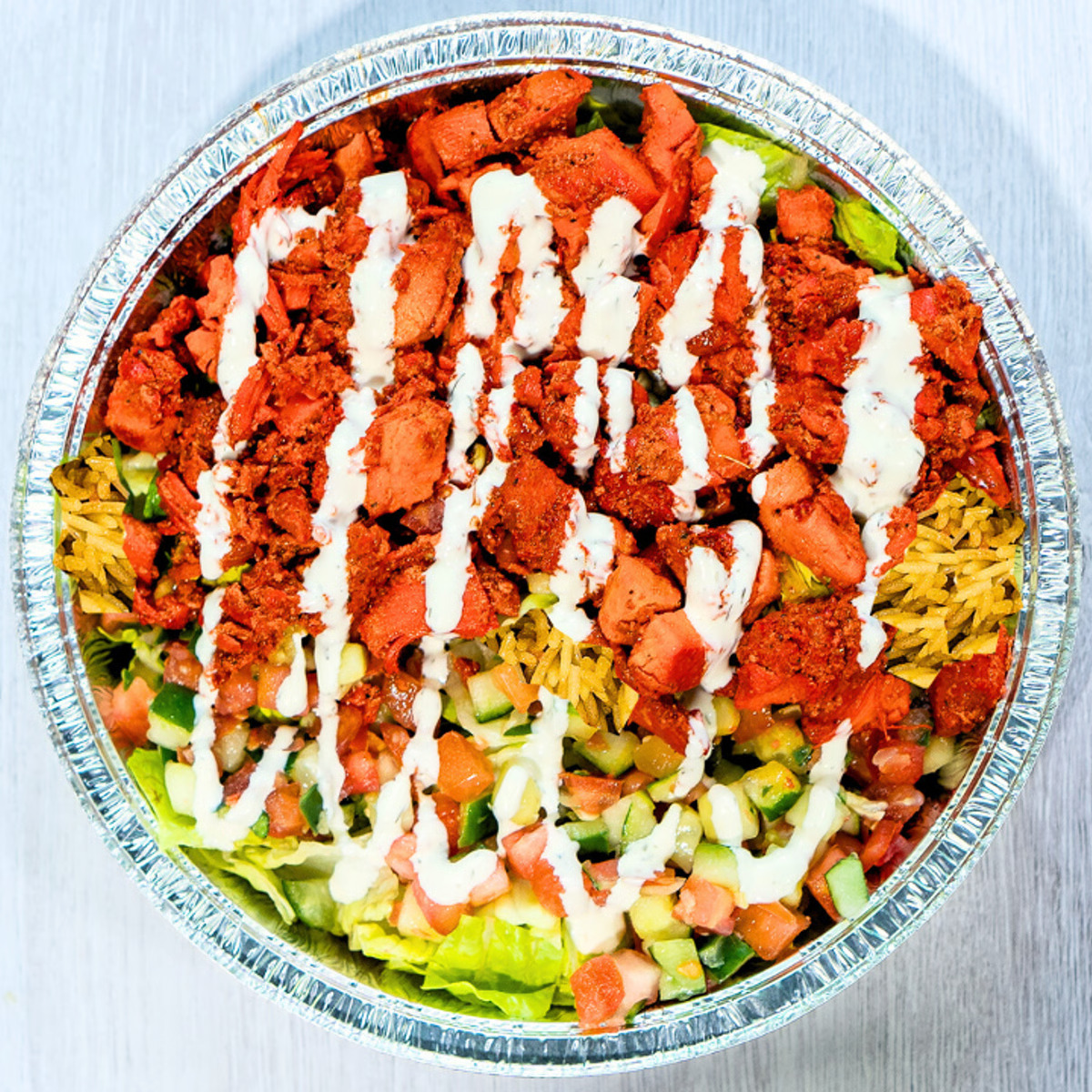
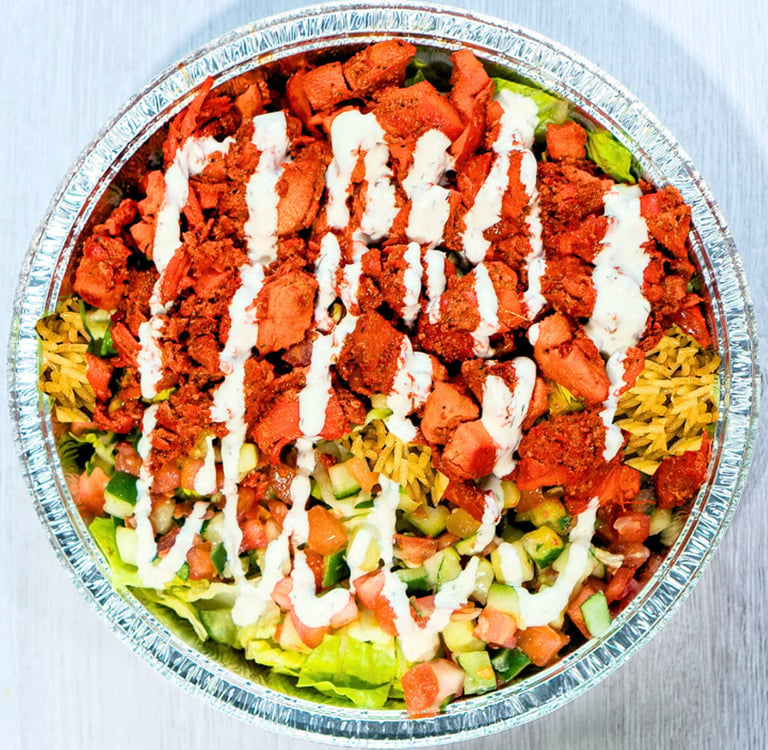
What's Actually in Your Halal Plate? The Dirty Truth About Cheap Food Colors Killing Halal Culture
The halal food industry is booming. And that's exactly why it's being ruined.
Walk around any college strip near a major university in Arizona, and you'll find a halal spot on almost every corner. Shawarma. Gyros. Rice plates. They all look the same. They smell the same. They even taste the same — because increasingly, they are the same. Cheap meat. Cheaper sauce. And a splash of red food dye to make it look like something was actually cooked with care.
Let's talk about what nobody in this industry wants to say out loud.
The Red Dye Problem Nobody's Talking About
That vivid red color on your shawarma meat? In a legitimate kitchen, it comes from paprika, sumac, red pepper, cumin, and a proper marination process that takes hours. It's earned.
In a corner-cutting operation, it comes from a bottle. Synthetic red food dye — commonly Red 40, also known as Allura Red — is a petroleum-derived dye used to make food look flavorful when it isn't. The European Union requires warning labels on products containing it. The FDA still allows it. Most students eating late-night halal near campus have no idea they're consuming it.
Why does it matter? Because the people most exposed to this are students — 18 to 25 year olds eating halal 4 to 5 times a week as a dietary staple. That's not occasional exposure. That's chronic, repeated consumption of a dye linked in multiple studies to hyperactivity, allergic reactions, and long-term metabolic concerns.
The White Sauce Lie
The white sauce situation is worse.
Authentic halal white sauce — yogurt-based or egg-based — and requires freshly garlic, and lemon juice. It takes time and costs more. Done right, it's also good for your gut.
What gets passed off as "white sauce" in high-volume, low-cost operations is often a blend of soy base, water, garlic powder, and white vinegar, thickened with xanthan gum. Some versions even use soybean oil bases with artificial flavoring. The goal isn't flavor. The goal is margin.
For students who eat this multiple times a week — especially those who rely on halal food as their primary dietary option — the cumulative effect of eating heavily processed, artificially stabilized sauces matters. This isn't fear-mongering. This is food literacy.
College Students Are the Perfect Target — And They Know It
Think about who eats late-night halal near a university campus.
Students who are tired, usually on a tight budget, and hungry at 10pm. Students who don't have a car to go somewhere better. Students who are new to the country and trusting that "halal" means safe. Students who are eating on a budget and making the same order three times a week because it's fast, it's filling, and it's supposedly aligned with their values.
That's not a customer base. That's a captive audience.
And certain operators in this industry have built their entire business model around that captivity. Keep the price low enough that students don't think twice. Keep the portion large enough that they don't ask questions. Keep the branding just Islamic enough — the Arabic script, the crescent moon, the "certified halal" sticker on the window — that trust is borrowed before a single ingredient is examined.
The food dye and the cheap sauce aren't accidents. They're decisions. Calculated, margin-driven decisions made by people who know their customers are too busy, too tired, or too trusting to push back.
The most loyal customer is one who doesn't know they have other options. That's the real business model.
What Real Halal Fast Food Looks Like
At Shawarma Paradise, we made a decision early: we don't fake it.
Our marinades are built from scratch using whole spices. Our sauces use real ingredients with no artificial dyes or synthetic stabilizers. Our meat is marinated for a minimum of 24 hours — not sprayed with coloring the morning of service.
Does this cost more to operate? Yes. Does it mean our margin is thinner than someone cutting corners? Absolutely. We made that trade-off because we believe the people eating our food — the students, the families, the Muslim community trusting us with their dietary standards — deserve to know exactly what they're consuming.
You can taste the difference. And once you do, you won't go back.
Read Your Labels. Ask Questions. Demand Better.
Next time you're at a halal spot, ask them: What's in your white sauce? Where does that red color on the meat come from?
Watch the answer. Or watch them not answer.
The halal food industry in Arizona is at a crossroads. It can chase volume and margin and race to the bottom. Or it can hold the standard the cuisine and the community actually deserve.
We know which side we're on.
— Shawarma Paradise, Tempe AZ
Real ingredients. Real halal. No shortcuts.